Diagnosis & gap analysis
- Identifying the standard best suited to the organisation’s goals
- Initial diagnosis, gap analysis and assessment of existing practices
- Compliance action plan
Practice area
Preparing, structuring and improving your management systems all the way to the certification audit.
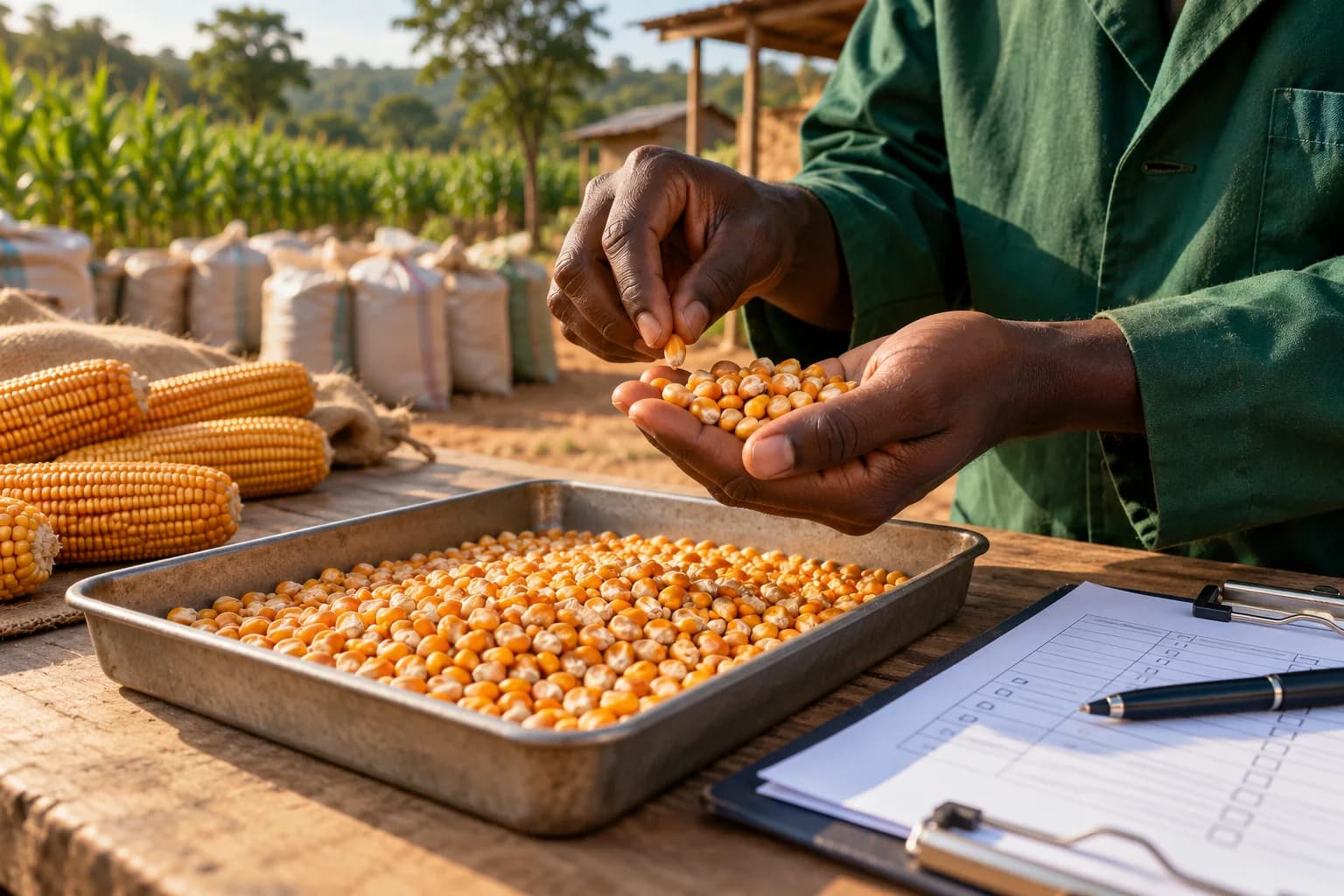
CEADSA helps organisations prepare, structure and improve their management and compliance systems to meet the requirements of the relevant standards and certification schemes.
CEADSA acts as an advisory and support firm up to audit preparation. Certification itself is granted exclusively by an independent, competent certification body.
These are possible deliverables to be agreed according to your project’s scope and objectives.
Review the selected standard and clarify requirements relevant to the organisation’s activities.
Assess practices, documents and available evidence against the agreed scope.
Define corrective actions, priorities and responsibilities to organise preparation.
Structure processes and evidence that help teams prepare for external assessment.
Collaboration starts with shared needs and an explicit scope.
Identify objectives, context, stakeholders and open questions.
Clarify activities, deliverables, working arrangements and resources.
Agree on an approach, timeline and validation criteria before starting.
Certification decisions belong to the competent body and depend on its assessment. Support focuses on diagnosis, structuring and organisational preparation.
Share the standard if identified, along with customer or market expectations. Scoping clarifies the requirements to examine and the preparation scope.
Share your context with us: we will propose a tailored approach, from study to implementation.

Informing public decision-making, strengthening the effectiveness of interventions and accelerating the transformation of agri-food systems.
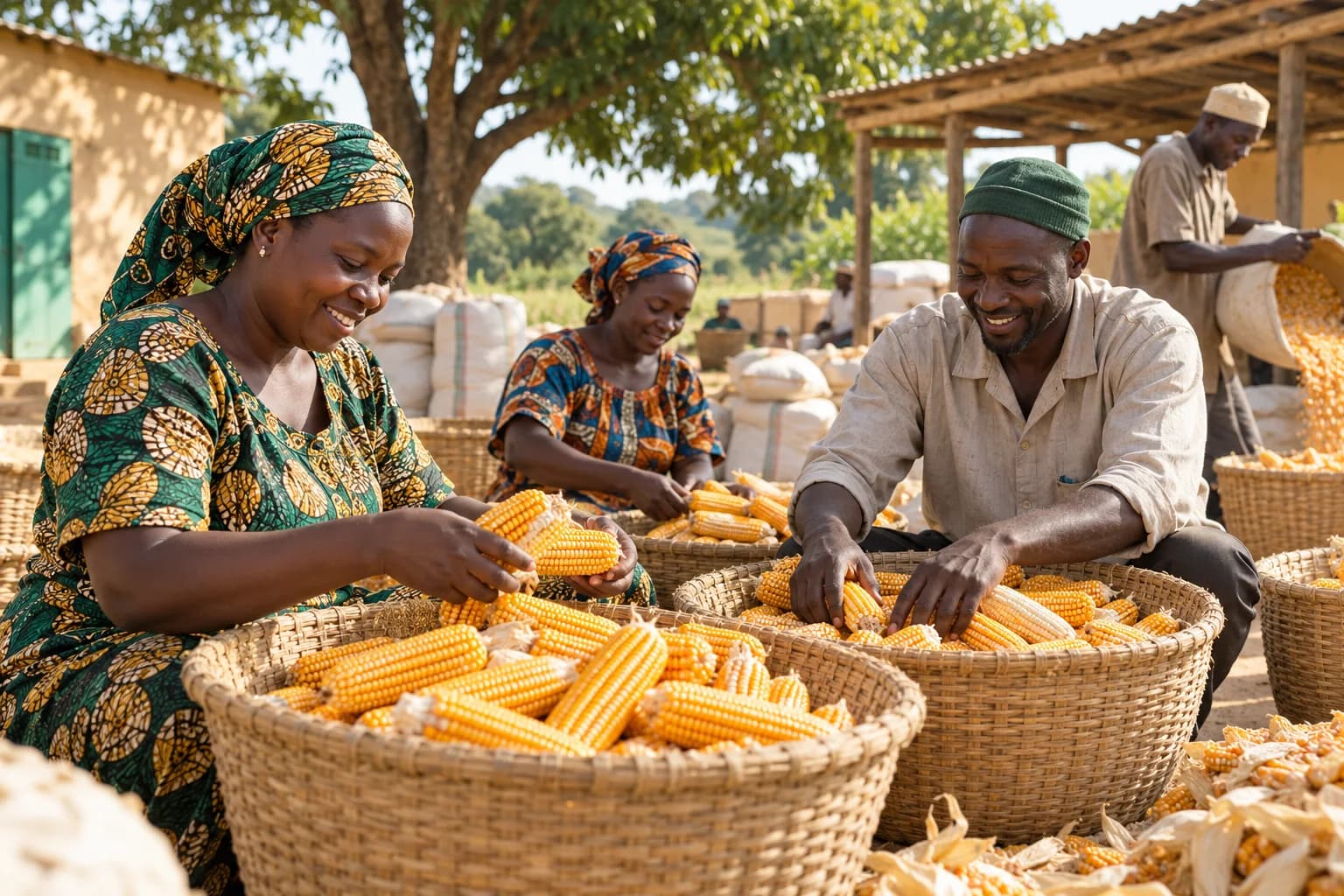
Reconciling economic performance, climate resilience, environmental responsibility and social inclusion.
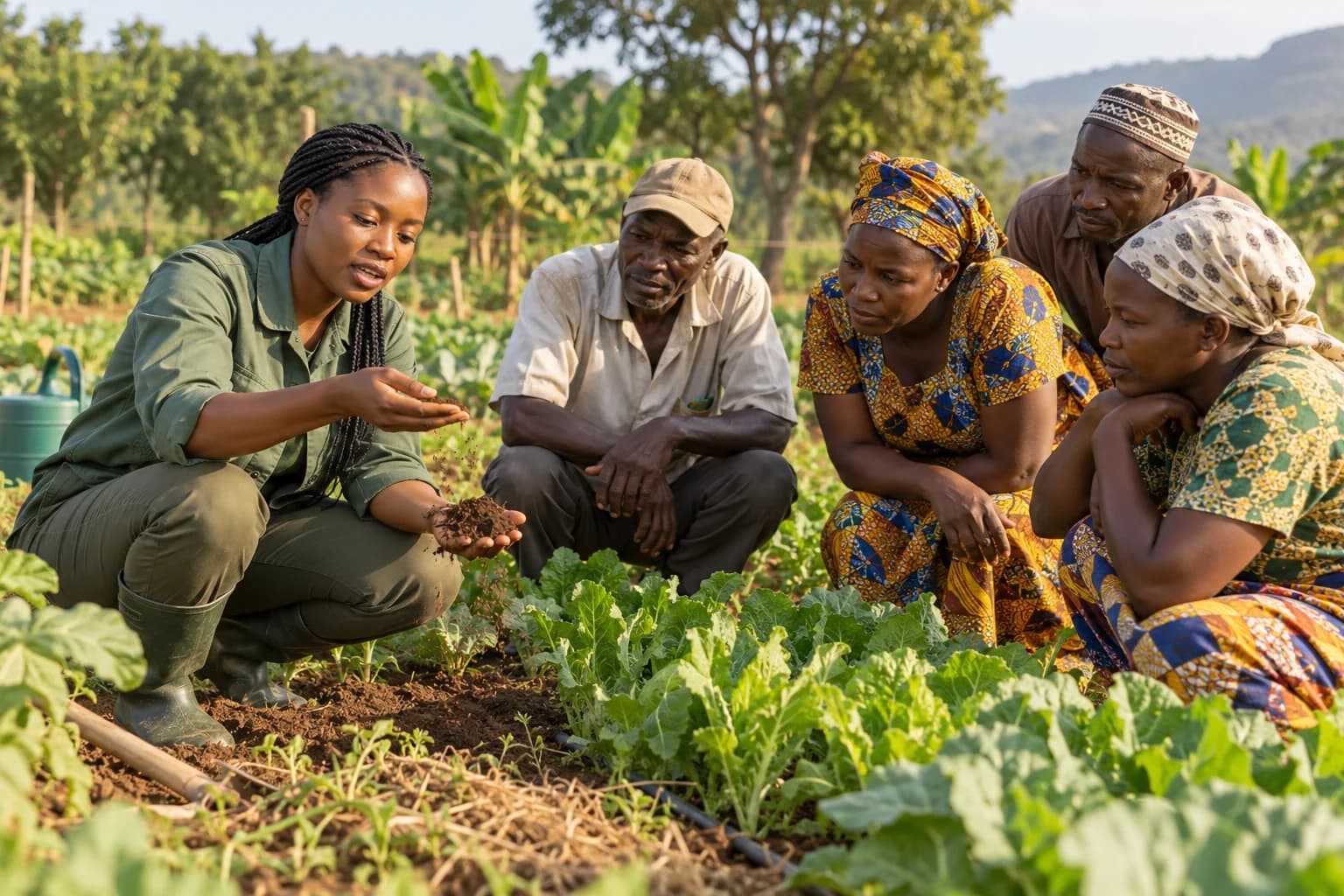
Developing the skills and learning systems that accelerate the adoption of agroecological practices.
Using data and modelling to plan, anticipate risks and decide with confidence.