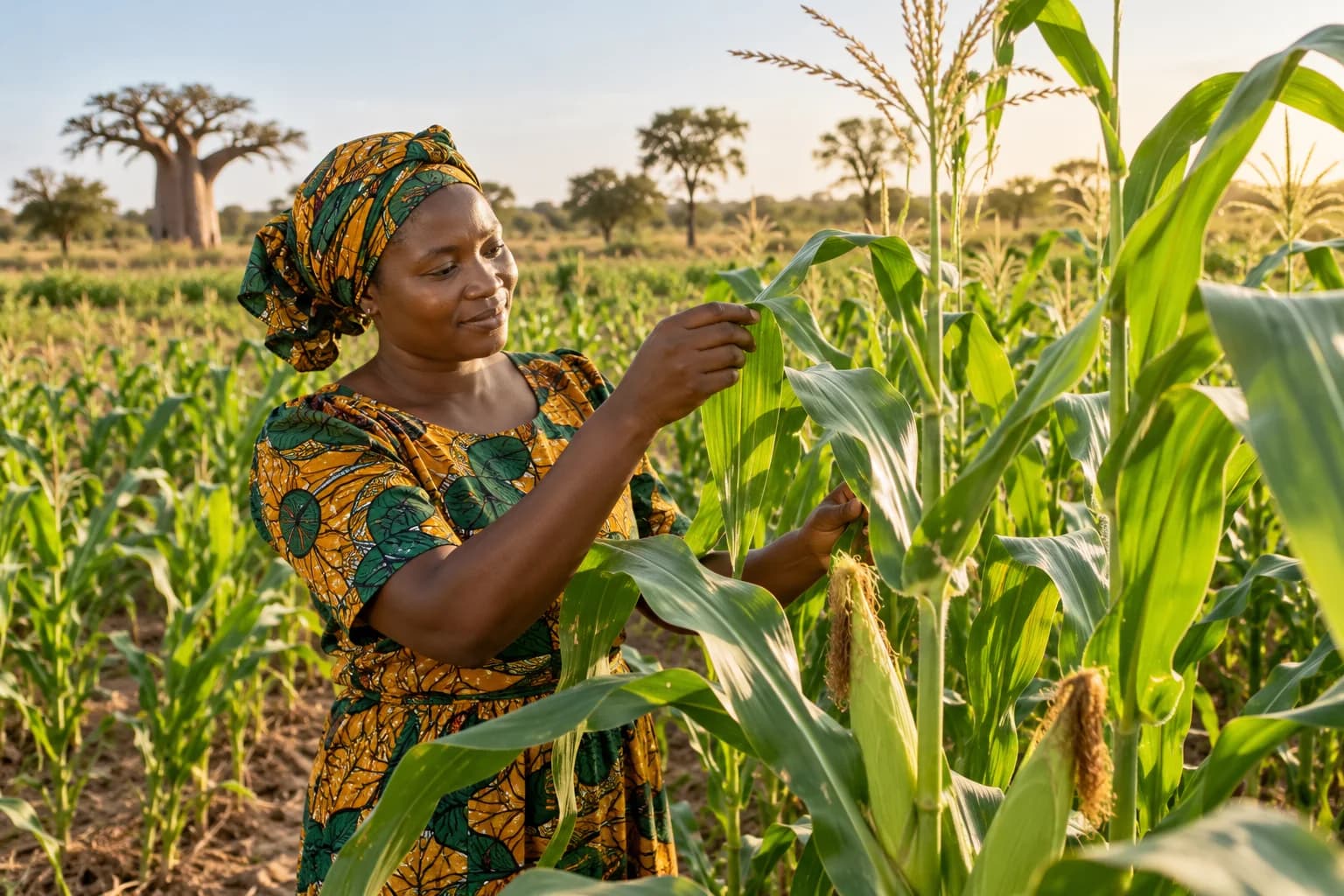
Develop a transition pathway
An organisation wants to improve its production system while considering soil, water and climate risks.
- Assess practices and constraints
- Compare improvement options
- Define a roadmap and monitoring
Studies, projects and support carried out with our partners, sorted by practice area.
CEADSA is a newly established firm. In the meantime, explore our practice areas.
Illustrative topics for support, to be adapted during project scoping.
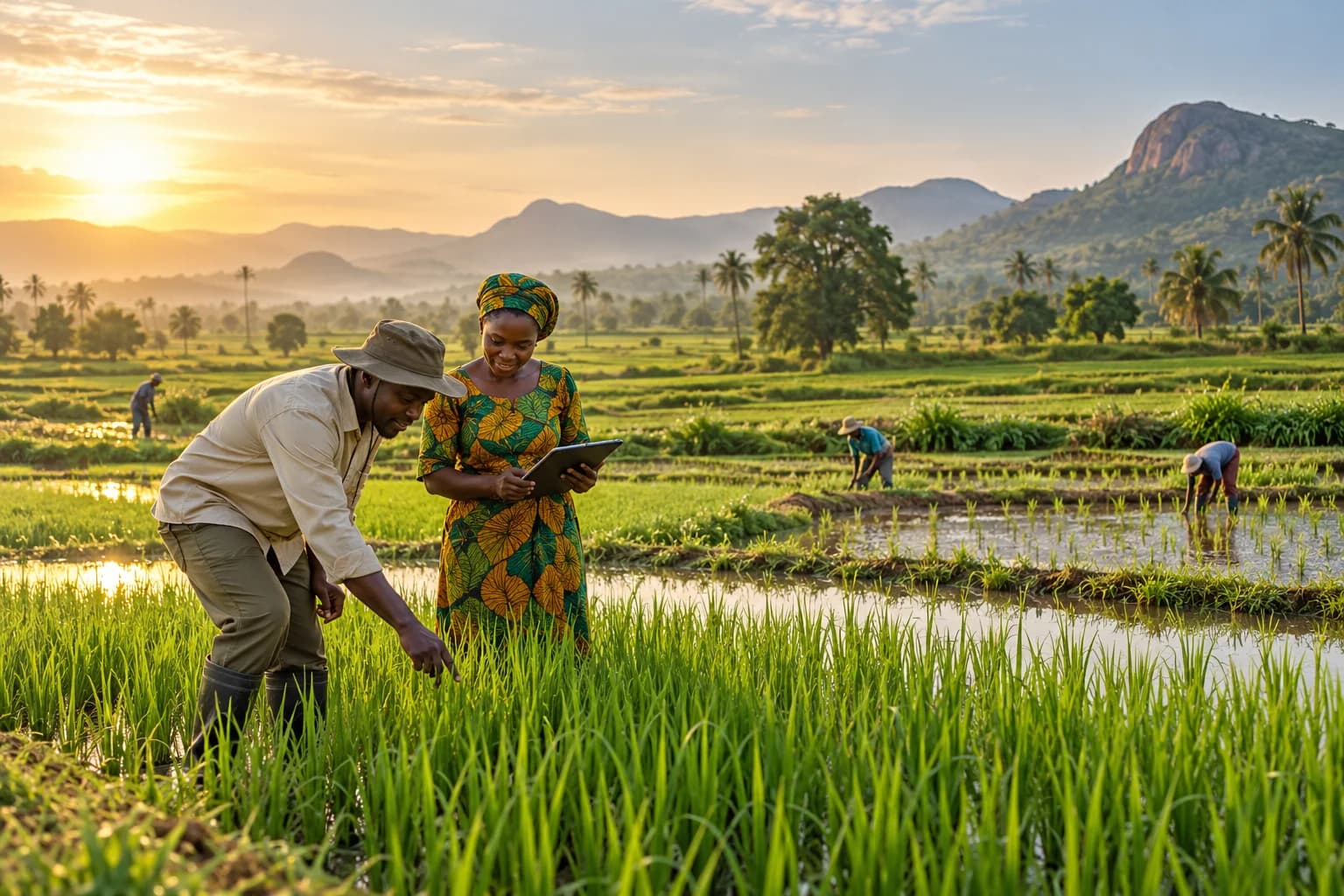
An organisation wants to improve its production system while considering soil, water and climate risks.
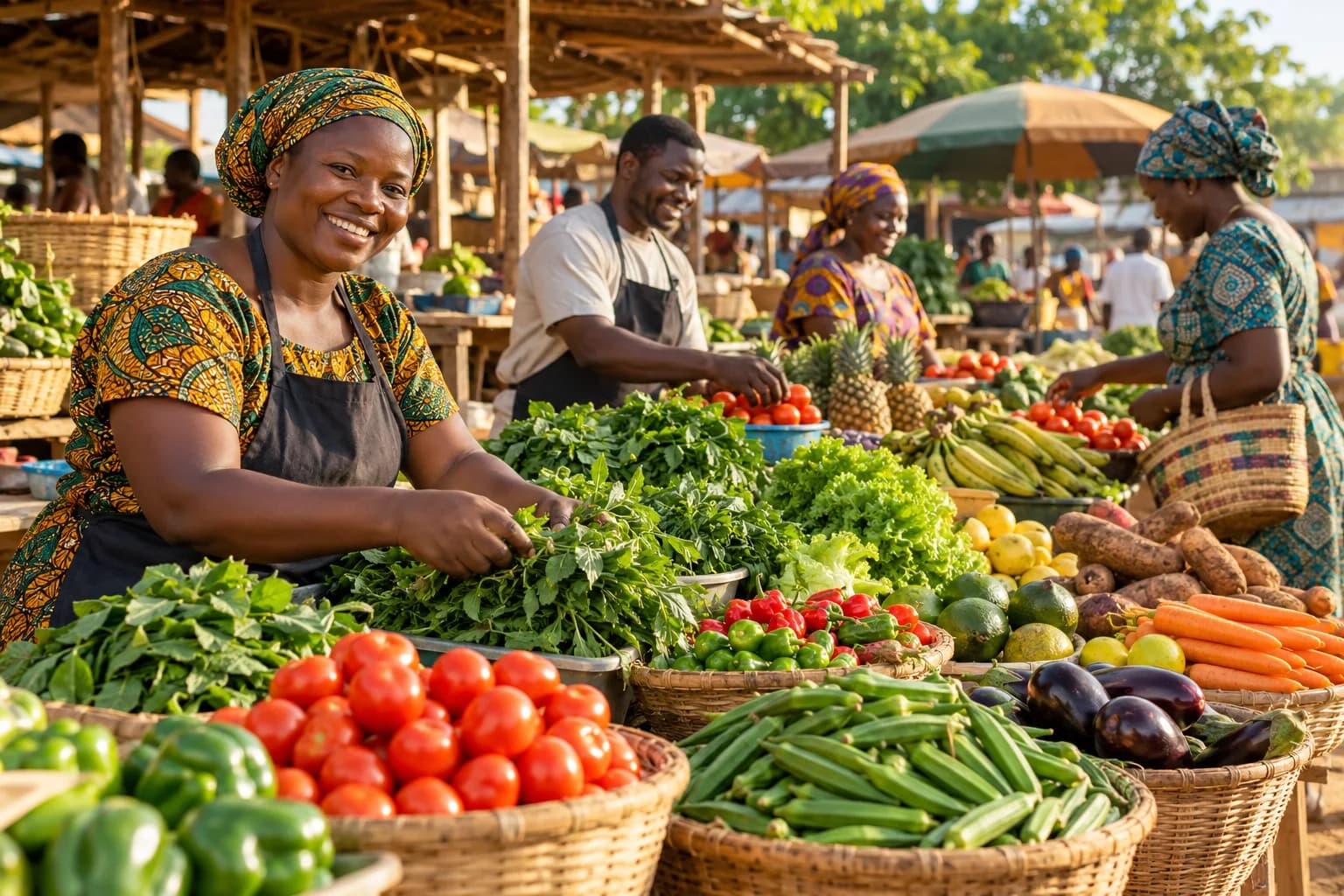
Stakeholders want to clarify their model, markets and the conditions for a viable agribusiness project.
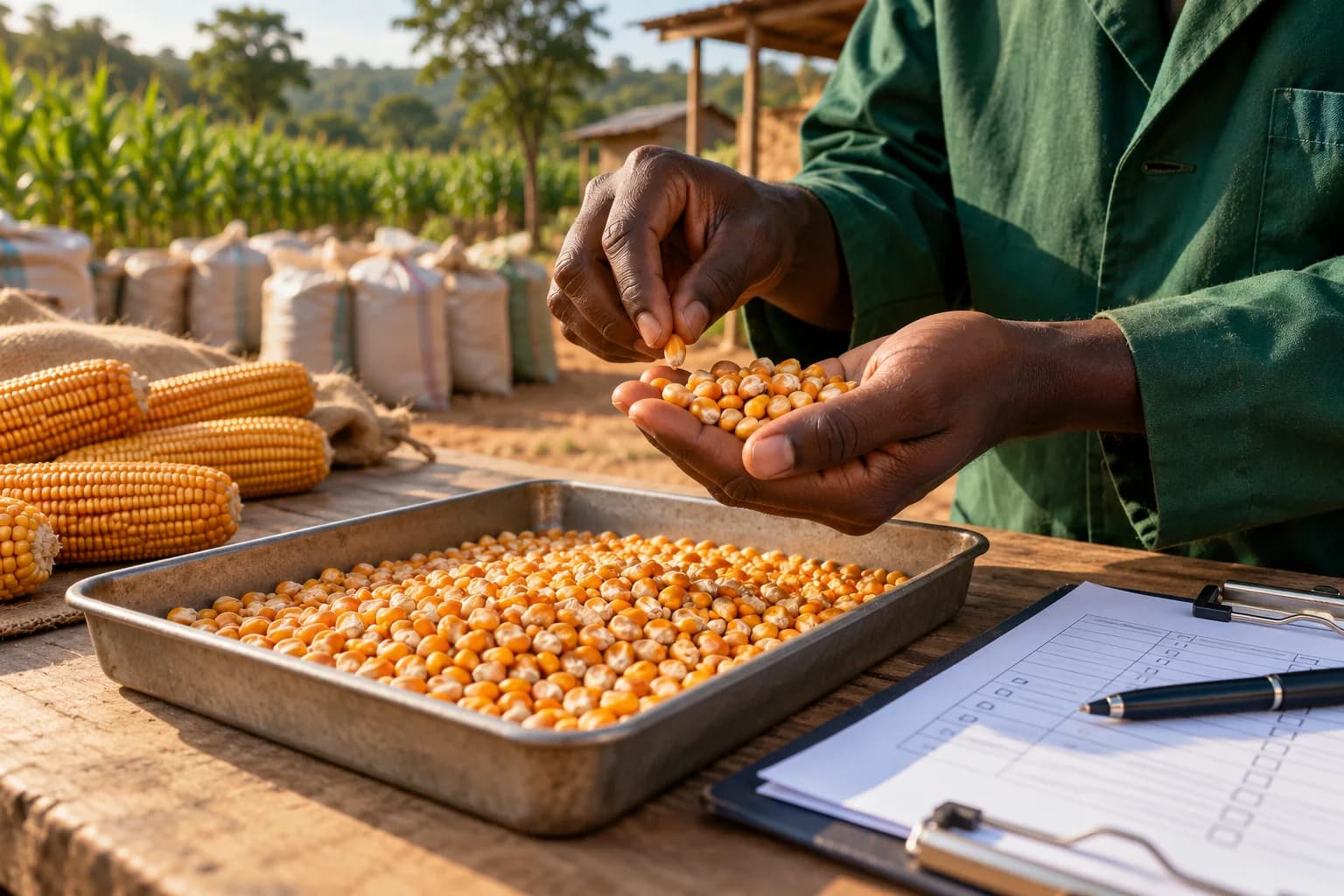
A business wants to understand a standard’s requirements and organise its preparation.
Collaboration starts with shared needs and an explicit scope.
Identify objectives, context, stakeholders and open questions.
Clarify activities, deliverables, working arrangements and resources.
Agree on an approach, timeline and validation criteria before starting.
A few pointers to prepare an initial conversation and clarify your needs.
When developing an idea, commissioning an assessment or working on an existing project. An initial discussion helps identify whether you need strategic guidance, problem-solving, skills development or support for a new phase.
A project may bring together consulting, training, data and compliance. Its scope can combine several areas of expertise according to the objectives and skills required.
Depending on the project: an assessment, recommendations, a roadmap, monitoring tools, training materials or audit preparation documentation. Deliverables and validation criteria should be agreed during scoping.
Scoping considers objectives, location, available data, depth of analysis and expected deliverables. Describing these factors helps establish an appropriate scope, timeline and proposal.